TOPICS

ONE PILLAR PAGODA – A TIMELESS SYMBOL OF ARCHITECTURE IN HANOI

DATE
  1. October 2026

DETAIL

One Pillar Pagoda is a temple recognized as the “Most Unique Architectural Pagoda in Asia” by the Asia Record Organization, and has become one of the cultural symbols of Hanoi. Let’s explore more about the historical site of the One Pillar Pagoda with HÔTEL du PARC HANOÏ!
 
1. Where is the One Pillar Pagoda? Opening Hours & Ticket Prices
 

The One Pillar Pagoda is located in Ba Dinh Ward, on a street of the same name, just behind Ong Ich Khiem Street. The pagoda is situated within the grounds of the Ho Chi Minh Mausoleum Complex and Ba Dinh Square.
 

The pagoda is open for visiting daily from 7 AM to 6 PM.
For Vietnamese visitors, there is no admission fee. However, foreign tourists will need to purchase a ticket priced at 25,000 VND per person.
 
2. History of the One Pillar Pagoda
 
According to legend, in 1049, King Ly Thai Tong (1028–1054) dreamt one night of the Goddess of Mercy (Quan Am) sitting on a lotus throne, inviting the king to ascend the throne with her. Upon waking, the king shared this dream with his ministers and ordered the construction of a pagoda with a stone pillar in the center, topped with a lotus-shaped structure, and named it Lien Hoa Dai (now known as the One Pillar Pagoda).


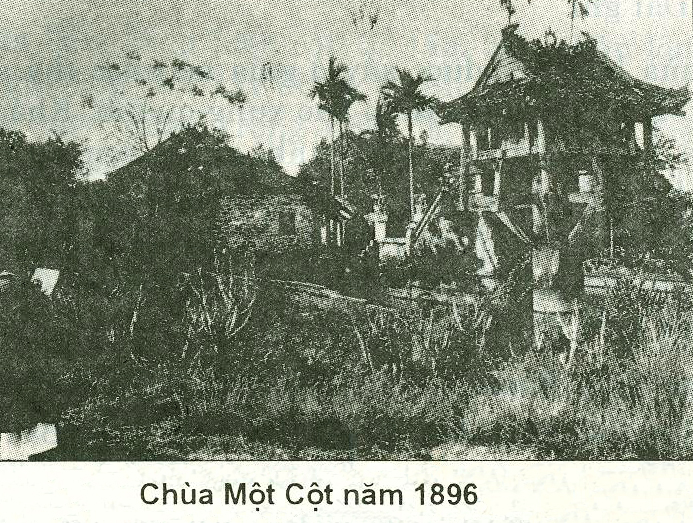
One Pillar Pagoda in 1896 (Source: Internet)

 
The pagoda is a symbol of Thang Long – Hanoi, and has always received attention for restoration and preservation, not only in recent times but also in the past.
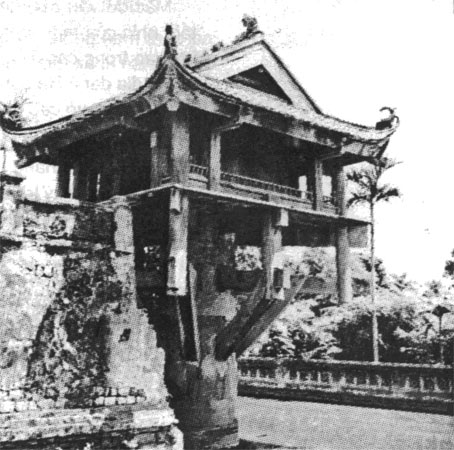
However, during the French resistance war, the One Pillar Pagoda was destroyed by mines planted by the French troops. Later, the Ministry of Culture of the Democratic Republic of Vietnam conducted extensive restoration work, rebuilding the pagoda to its original architectural design. In 1954, the One Pillar Pagoda in Hanoi was restored and preserved to this day.
 

One Pillar Pagoda in 1952, Before the French Destruction (Source: Internet)
 

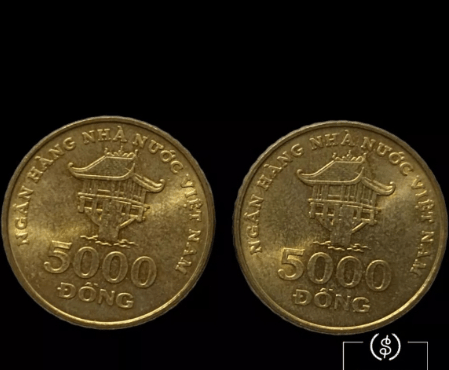
The image of the One Pillar Pagoda was once closely associated with the daily lives of the people, appearing on the VND 5,000 coin until 2011, when Vietnam officially stopped issuing coins.
 

(Source: Internet)
 

Read more in the article by the National History Museum: One Pillar Pagoda – An Overview of the Restoration Process in History
 

3. Architecture of the One Pillar Pagoda
 
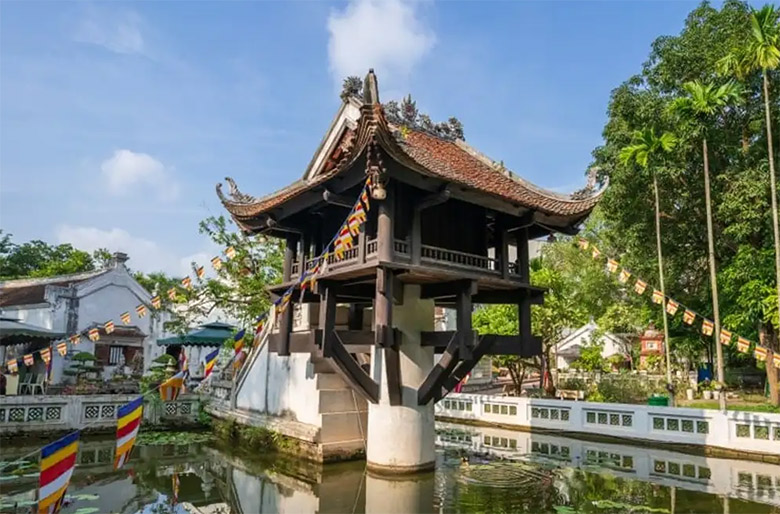
The One Pillar Pagoda in Hanoi is renowned for its unique design: a small wooden pagoda gracefully perched atop a single stone pillar, situated on a lotus pond. This image makes the pagoda resemble a lotus flower blooming on the still surface of the water – a symbol of purity in Eastern Buddhist culture. Its distinctive shape has made the One Pillar Pagoda one of the most prominent landmarks in Hanoi.
 

(Source: Internet)
 

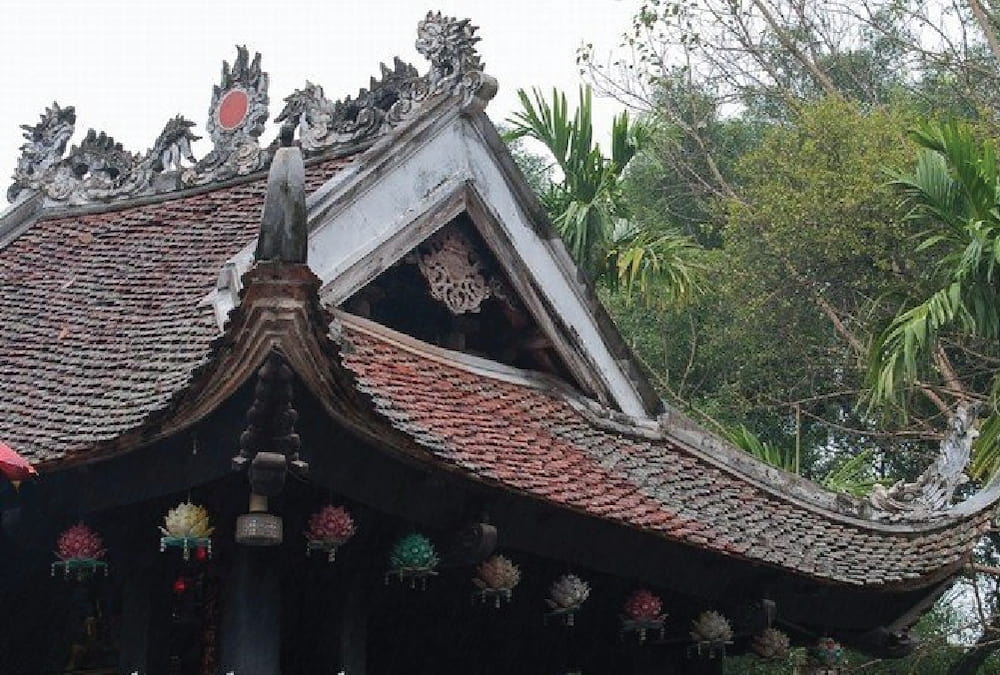
The original structure of the One Pillar Pagoda was supported by wooden planks firmly attached to the stone pillar. The pagoda consists of a small wooden altar placed atop a stone pillar about 4 meters high, built from two large stone blocks stacked securely. The altar is square-shaped, with each side measuring 3 meters, surrounded by a railing. The roof of the pagoda is covered with curved tiles, featuring intricate carvings of dragons and phoenixes, symbols that embody the philosophy of the harmony of yin and yang as well as growth and development.
 

(Source: Internet)
 

4. Some Tips When Visiting the One Pillar Pagoda:
 
– Dress modestly and appropriately.
– Respect religious practices: remove hats when entering the main hall, keep quiet, and avoid touching statues or offerings.
– Avoid using flash photography to maintain the solemn atmosphere and avoid disturbing others.
 

(Source: Internet)

5. Nearby Historical Sites to Visit Around the One Pillar Pagoda:
 
Hà Nội vốn nổi tiếng với nhiều địa điểm tham quan hấp dẫn và đa dạng, kết hợp giữa vẻ cổ kính và hiện đại. Bạn có thể tham khảo các địa điểm sau để có thêm nhiều trải nghiệm tại Thủ đô.
Hanoi is famous for its many attractive and diverse tourist destinations, blending ancient charm with modern features. You can consider the following places to enjoy more experiences in Hanoi.
 

5.1. Visiting the Ho Chi Minh Mausoleum
 

Address: 1 Hung Vuong Street, Ba Dinh, Hanoi
Opening hours: 7:00 AM – 5:00 PM
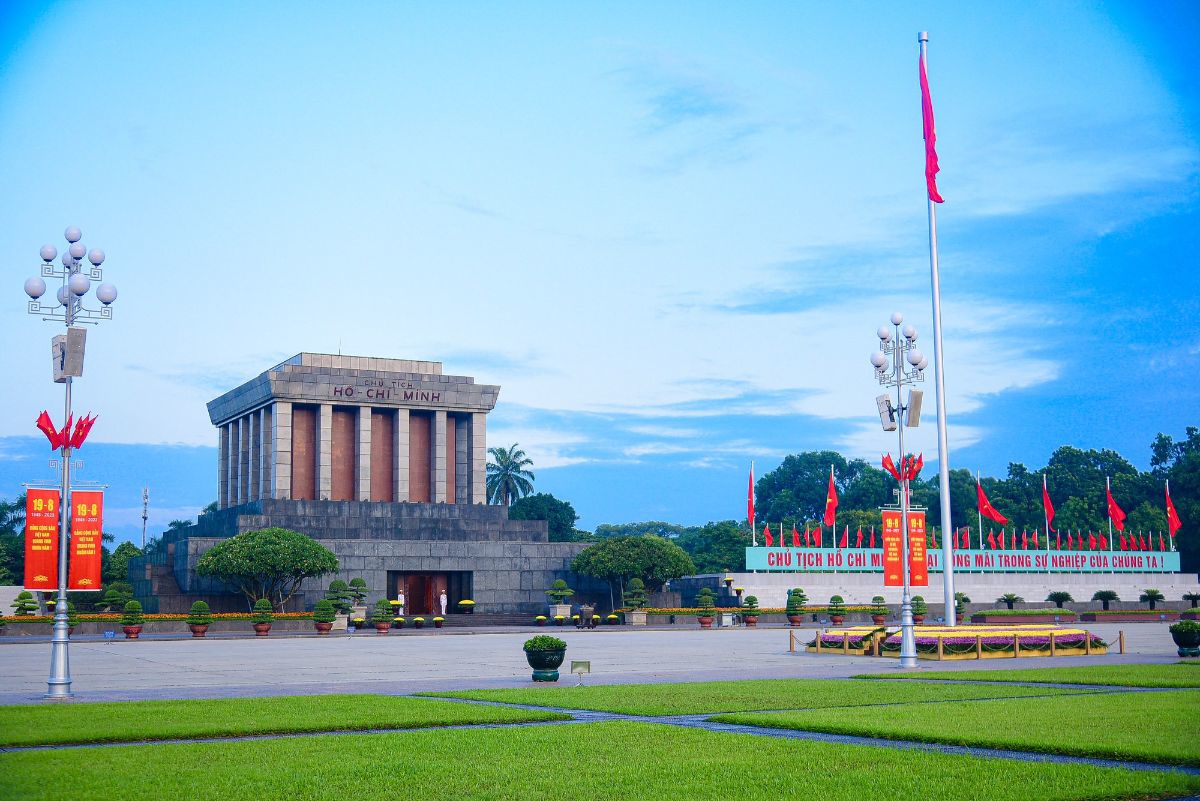
The Ho Chi Minh Mausoleum is a place that every Vietnamese person longs to visit in order to express deep gratitude to President Ho Chi Minh – the beloved Father of the Nation. Since the One Pillar Pagoda is located within the Ba Dinh Square complex, it is very convenient for visitors to also pay respects at the Ho Chi Minh Mausoleum.
 

(Source: Internet)
 

Additionally, you can attend the flag-raising ceremony at Ba Dinh Square in front of the Ho Chi Minh Mausoleum at 6 AM daily, or the flag-lowering ceremony at 9 PM daily.
 

Read more about the flag-raising ceremony in the article:

FLAG RAISING CEREMONY AT BA DINH SQUARE: SIGNIFICANCE, INFORMATION, AND IMPORTANT NOTES 
 

Read more about the flag-lowing ceremony in the article: FLAG-LOWERING CEREMONY AT BA DINH SQUARE
 

5.2. Ho Chi Minh Museum
Address: 19 Ngoc Ha Street, Ba Dinh, Hanoi
Opening hours: 8:00 AM – 4:30 PM on weekdays (except Monday and Friday)
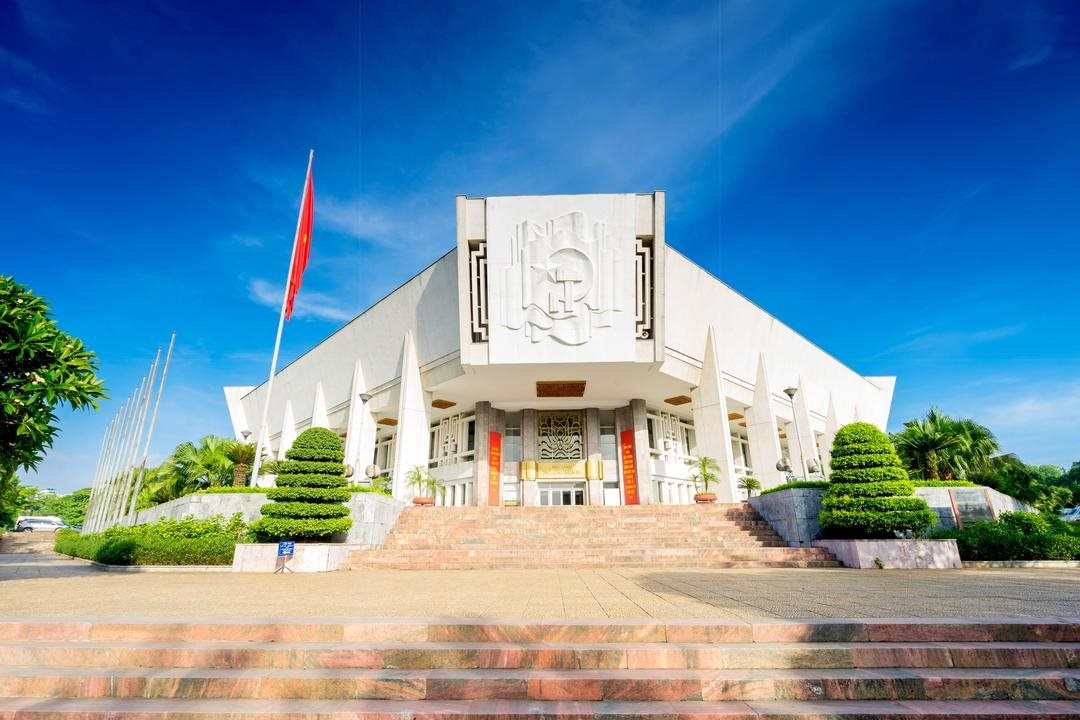
Built in 1985 and officially opened on May 19, 1990, to commemorate the 100th anniversary of President Ho Chi Minh’s birth, the Ho Chi Minh Museum displays artifacts and documents about his life and career. This destination helps visitors gain a deeper understanding of his life and great legacy. Moreover, Ho Chi Minh Museum is also just located about 200 meters from the One Pillar Pagoda.
 

(Source: Internet)

Read more about the Ho Chi Minh Museum in the article:
HO CHI MINH MUSEUM HANOI: GENERAL INFORMATION FOR VISITORS

 
5.3. Thang Long Imperial Citadel
 

Address: 19C Hoang Dieu Street, Ba Dinh, Hanoi
Opening hours: 8:00 AM – 5:00 PM daily
 
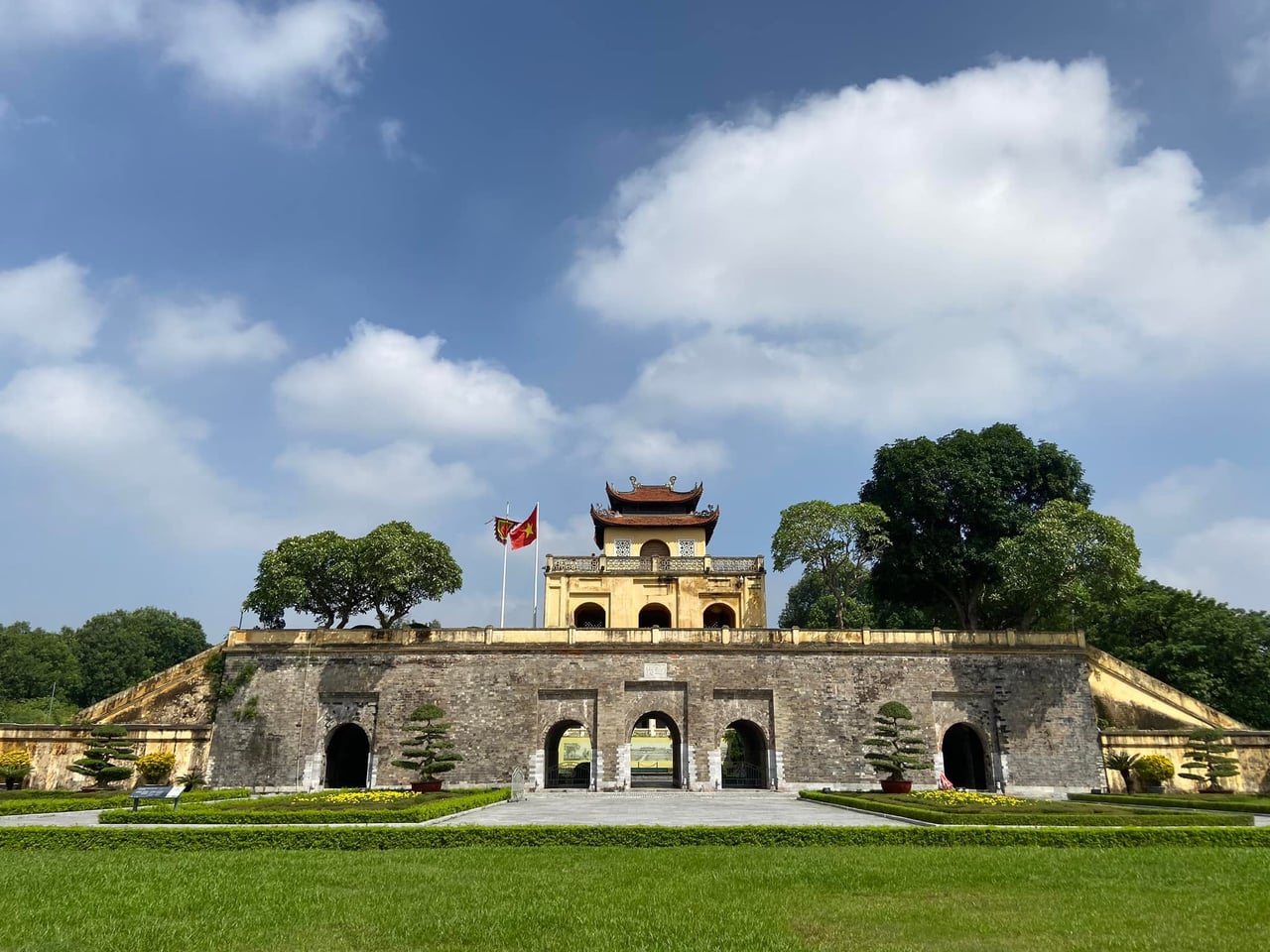
The Thang Long Imperial Citadel is about 1 km away from the One Pillar Pagoda. It is a complex of historical relics that bears witness to over 13 centuries of Dai Viet civilization. With its ancient architecture, remnants of multiple feudal dynasties, and immense cultural value, it was recognized by UNESCO as a World Cultural Heritage Site in 2010. It was once the center of important political activities of Vietnamese feudal dynasties.


(Source: Internet)
 

Read more about the Thang Long Imperial Citadel in the article:
IMPERIAL CITADEL OF THANG LONG: A JOURNEY THROUGH A THOUSAND YEARS OF HERITAGE 
 

6. Where to stay when visiting the One Pillar Pagoda in Hanoi?
 

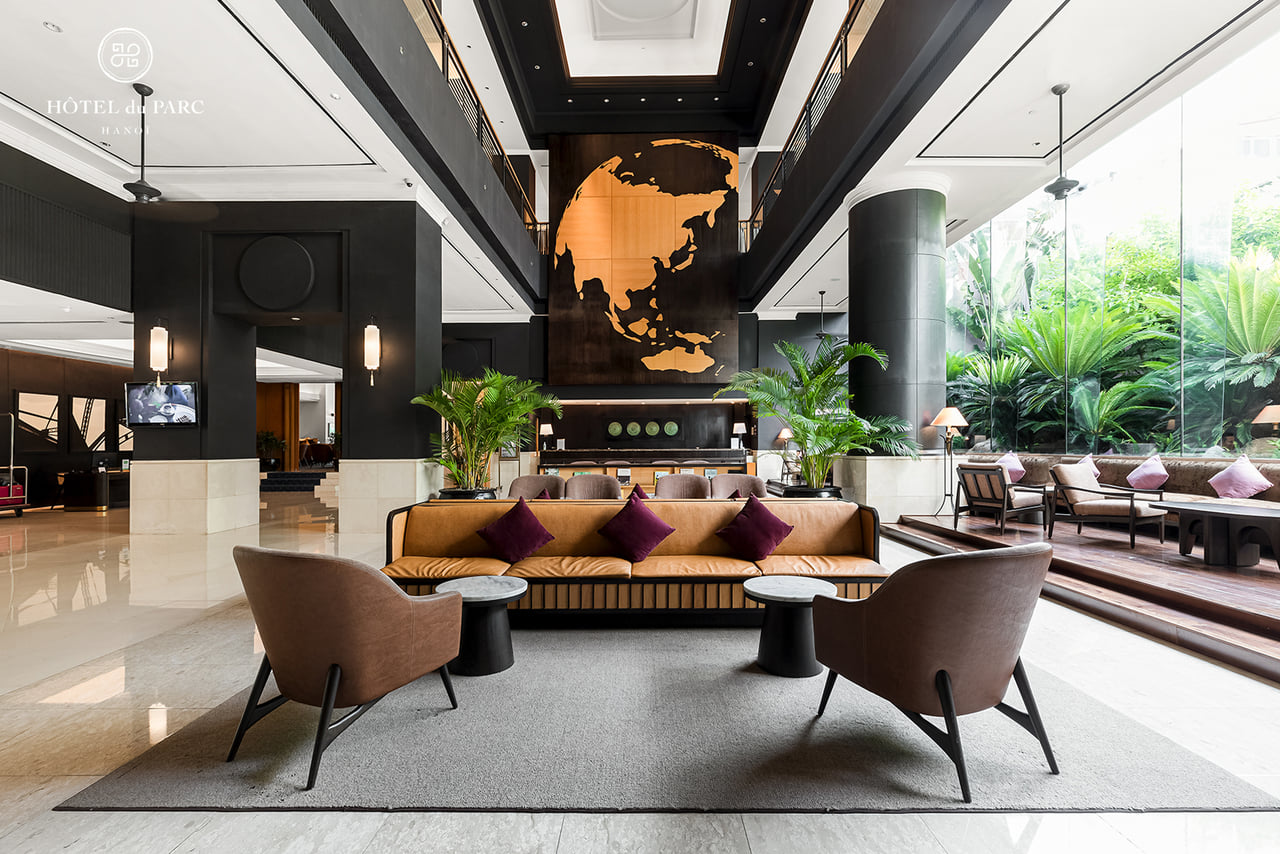
To conveniently explore the One Pillar Pagoda as well as other prominent attractions in Hanoi, HÔTEL du PARC HANOÏ is an ideal accommodation choice for travelers.


Located just about 2.5 km from the One Pillar Pagoda and the Old Quarter of Hanoi, the hotel offers great convenience for travel, allowing guests easy access to tourist attractions, entertainment spots, and shopping areas in the city center.


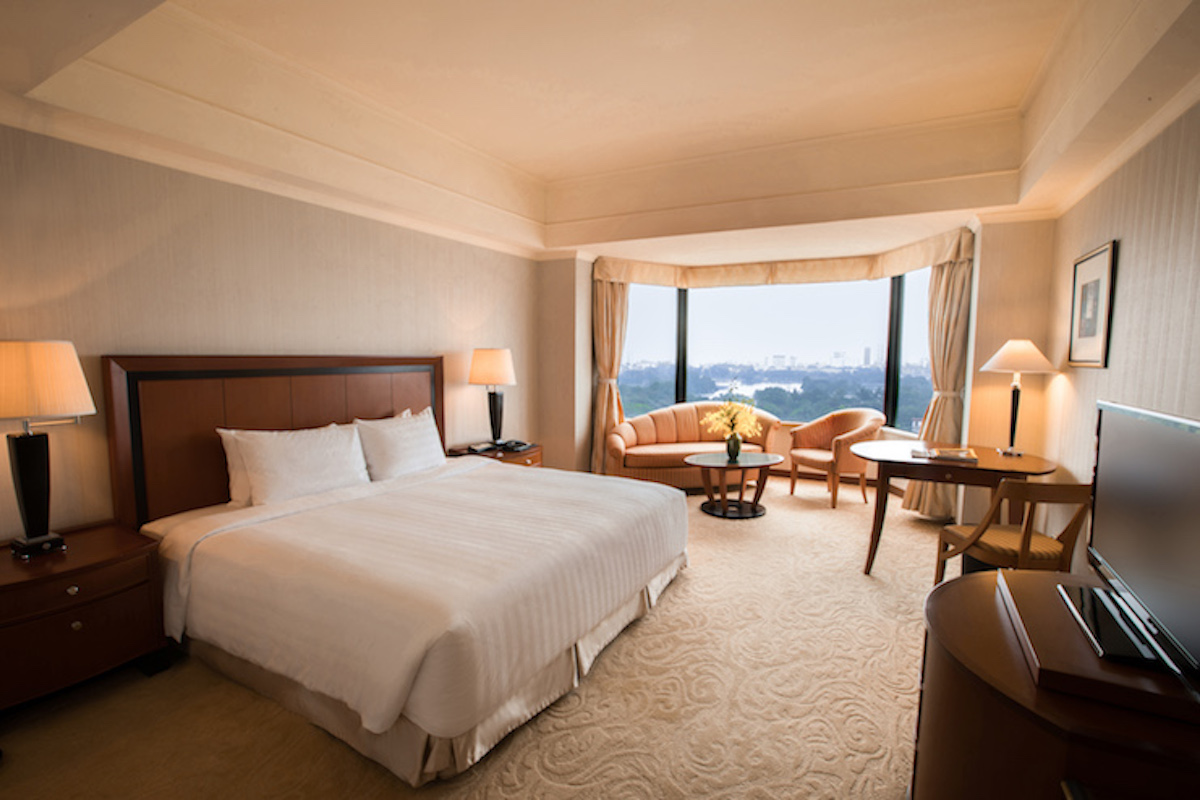
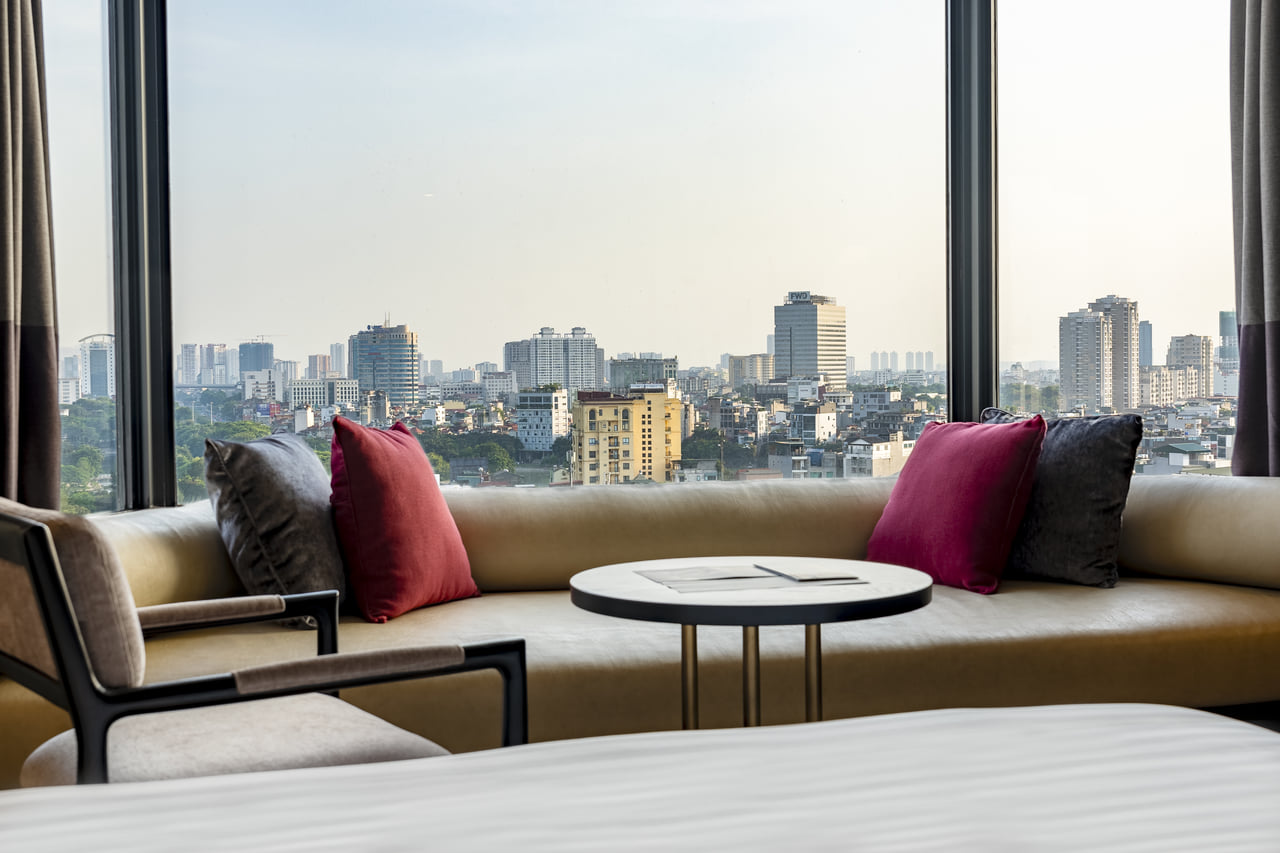
As a 5-star hotel under Japan’s Plan・Do・See group, with a convenient location and a luxurious accommodation space, Hotel du Parc Hanoi promises a comfortable, attentive, and complete stay experience for every journey of exploring the capital.


You can find more information about the hotel’s rooms here: ROOM RESERVATION
 

With a history spanning nearly a thousand years, the One Pillar Pagoda has transcended the boundaries of a mere architectural and artistic monument to become an unchanging spiritual symbol in the hearts of Hanoi’s people. The One Pillar Pagoda has also become an essential destination for visitors to Hanoi, Vietnam, affirming its timeless value in both art and spirituality.
 

We hope the travel information about One Pillar Pagoda and its surrounding attractions provided by HÔTEL du PARC HANOÏ will help make your journey of discovering Hanoi even more enjoyable and meaningful.