


HANOI OPERA HOUSE – AN ARTISTIC MASTERPIECE IN THE HEART OF THE CAPITAL
- DATE
-
- January 2026
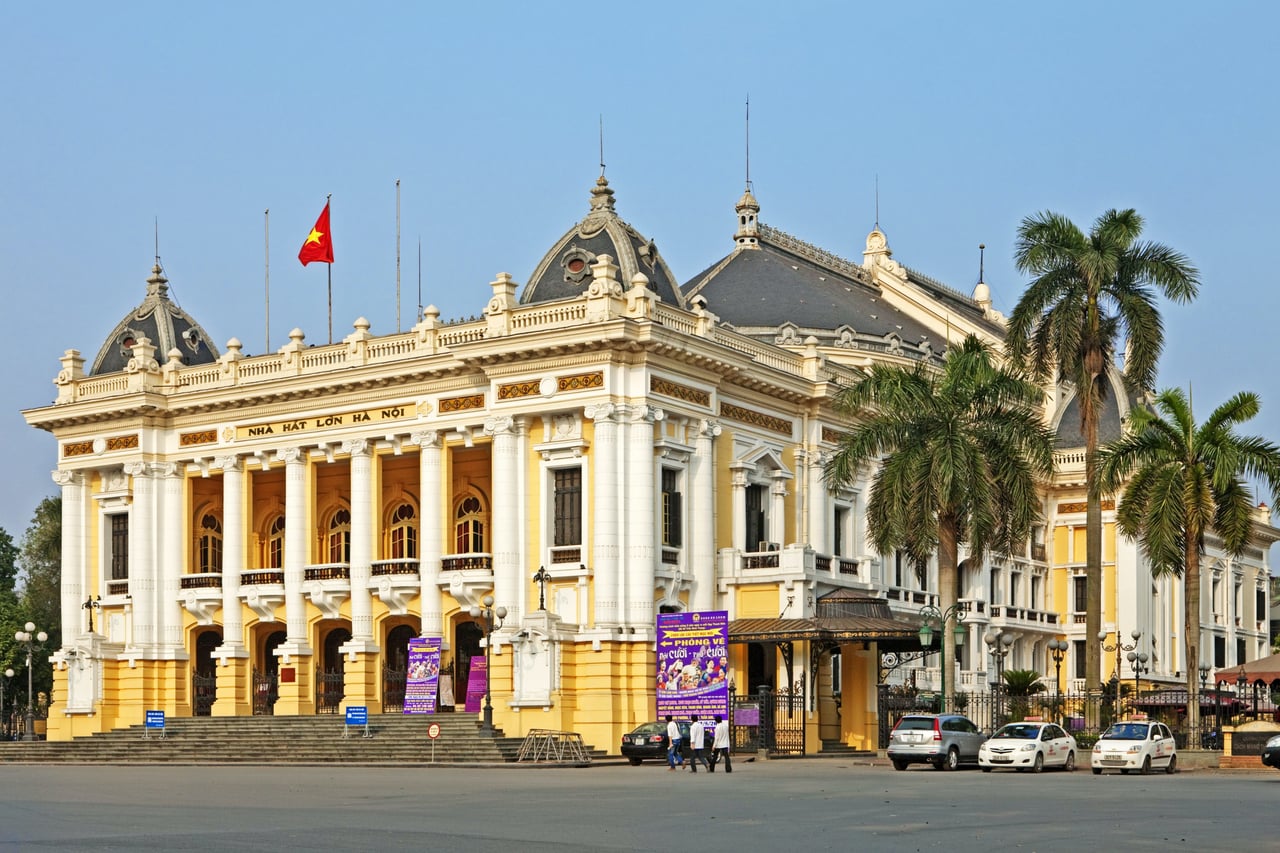
The Hanoi Opera House is one of the capital’s most prominent cultural landmarks, located at No. 1 Trang Tien Street, Phan Chu Trinh Ward, Hoan Kiem District, within the August Revolution Square – one of the city’s most vibrant and accessible central areas. Situated just about 500 meters from Hoan Kiem Lake, the opera house is easily reachable on foot from the lake, making it a convenient stop for visitors exploring central Hanoi.
Source: Internet
This venue hosts a wide range of professional artistic performances, including opera, ballet, symphonic concerts, musical theatre, spoken drama, and traditional shows, attracting both local and international audiences. In addition to attending performances, visitors can also book guided architectural tours to explore the historic interior spaces.
Ticket Prices & Opening Hours
-Architectural tour ticket: approximately VND 120,000 per person, lasting around 70 minutes, available daily from 10:30 AM to 12:00 PM (except on certain special holidays).
-Combined tour and performance ticket: approximately VND 400,000 per person, with a duration of about 90 minutes (usually offered on selected days of the week).
-Performance-only tickets (opera, concerts, etc.): starting from around VND 300,000, with prices varying depending on the program and seating category.
Tickets can be purchased directly at the box office, via the official website of the Hanoi Opera House, or through reputable ticketing platforms.
2. History of the Hanoi Opera House
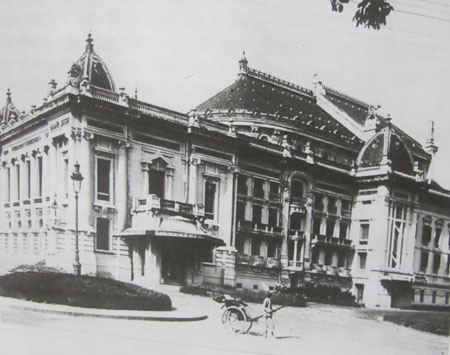
The Hanoi Opera House is a legacy of the French colonial period. Construction began in 1901 and was completed in 1911, based on the design by French architects Broyer, Harley, and Francois Lagisquet. The building was inspired by the Opéra Garnier in Paris, with adaptations made to suit Vietnam’s climate and locally available materials.
Source: Internet
Since its establishment, the Hanoi Opera House has not only been a venue for high-class artistic performances but also a location for many important historical events such as rallies, press conferences, and political events during the struggle for independence. After more than a century, the building has been restored and preserved to continue showcasing its artistic and architectural value for future generations.
3. What makes the Hanoi Opera House attractive?
3.1. Admire the unique architecture
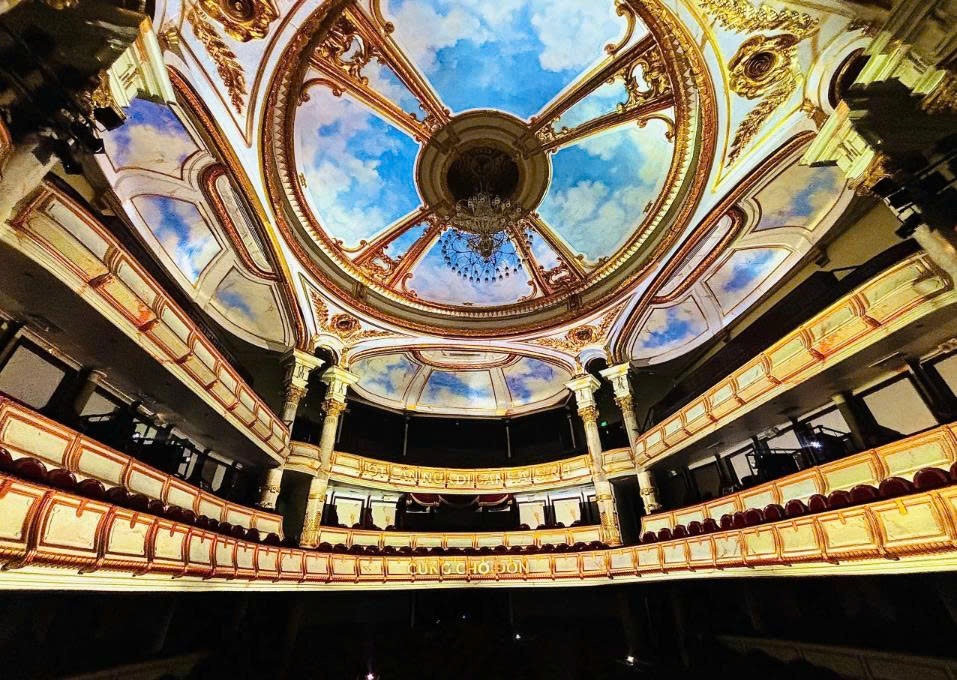
The Hanoi Opera House is an iconic example of neoclassical architecture, characterized by its large columns, elegant façade, and wide staircase leading to the main lobby. The design heavily reflects classical French style, with balanced proportions and exquisite decorative details, embodying the fusion of Western culture and Vietnamese urban space.
Source: Internet
Source: Internet
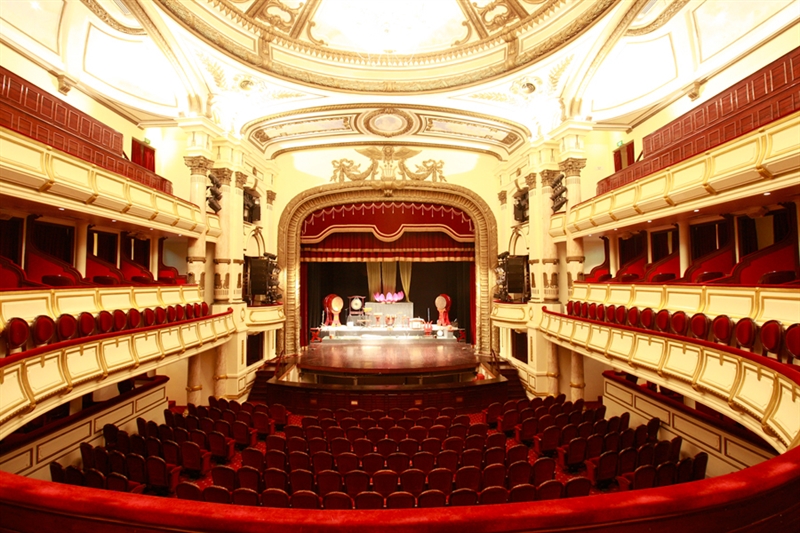
The spacious auditorium with nearly 600 seats and high-quality tiled flooring exudes a luxurious and refined atmosphere for artistic performances.
3.2. Explore the Hanoi Opera House Square:
Source: Internet
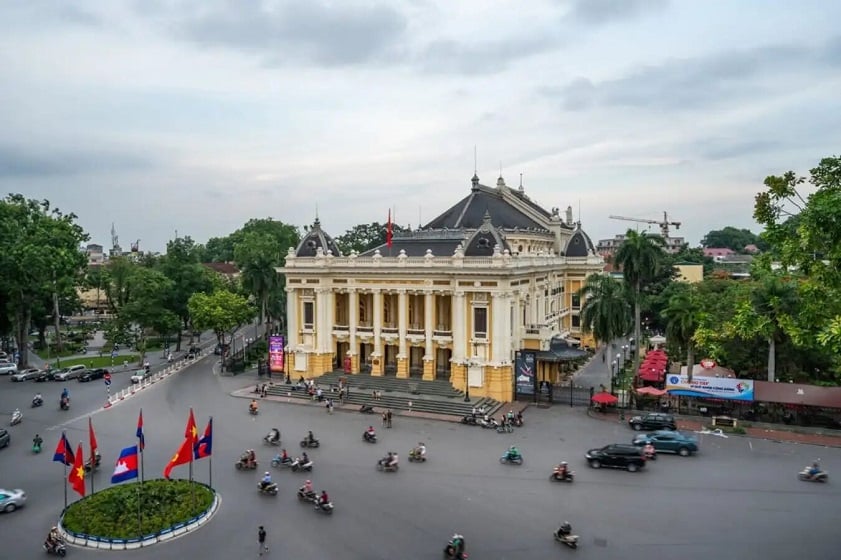
In front of the Opera House is the August Revolution Square – a large open space where cultural activities, festivals, and gatherings of locals and tourists take place. This area is often used as a backdrop for photos of the Hanoi Opera House, both during the day and when illuminated at night.
3.3. Enjoy captivating artistic performances:
Source: Internet
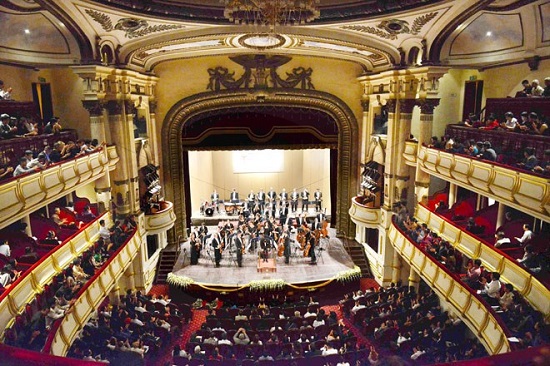
The Hanoi Opera House is the capital’s leading arts center, hosting opera performances, symphonic concerts, ballet, plays, and traditional Vietnamese art programs. Visitors can purchase tickets to enjoy performances rather than just visit the architecture, enriching their cultural experience.
3.4. Check-in at the Hanoi Opera House
Source: Internet
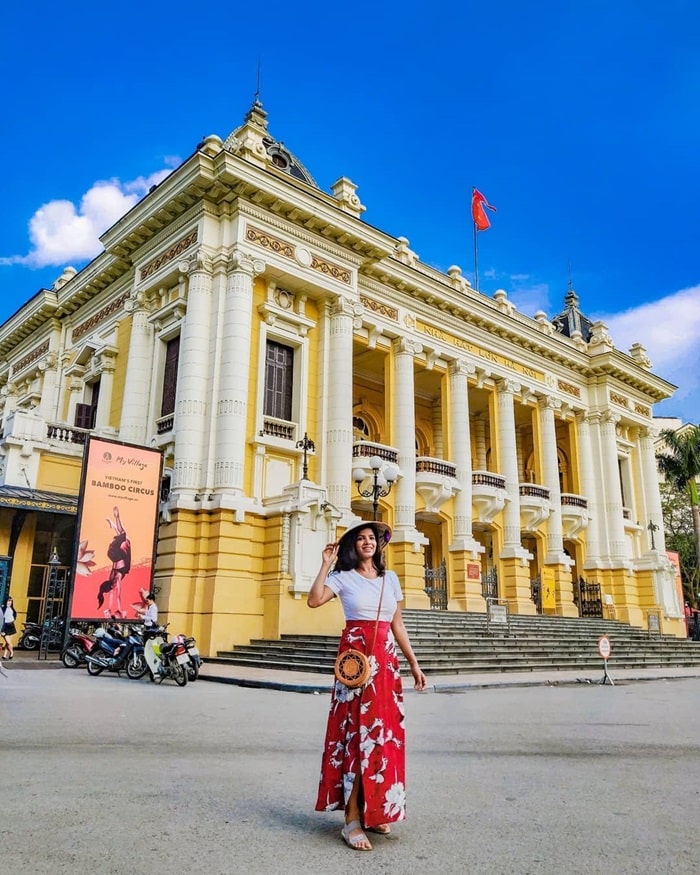
With its ancient appearance and central location, the Opera House is one of the most popular spots for check-in when visiting Hanoi. Whether capturing the exterior during the day or the stunning lights at night, the building always stands out in the photo albums of international tourists.
4. Nearby attractions to the Hanoi Opera House
Situated in the heart of the city, the Hanoi Opera House is close to many other prominent attractions:
-Hoan Kiem Lake: Just a short walk away, offering a historical and cultural space characteristic of Hanoi.
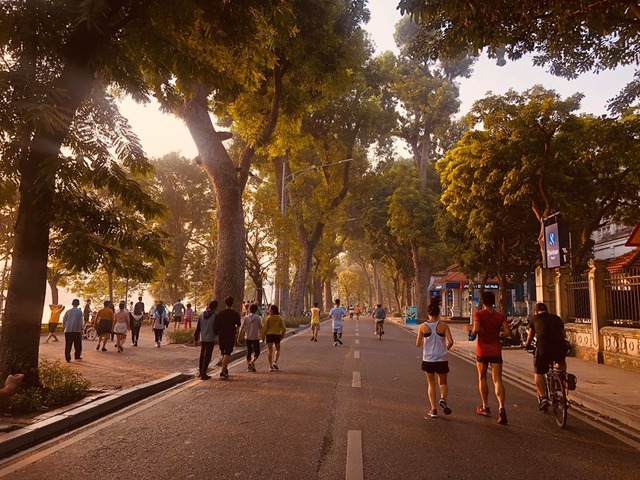
Ho Gươm street (Source: Internet)
-Vietnam National Museum of History: A place preserving many artifacts reflecting the nation’s development.
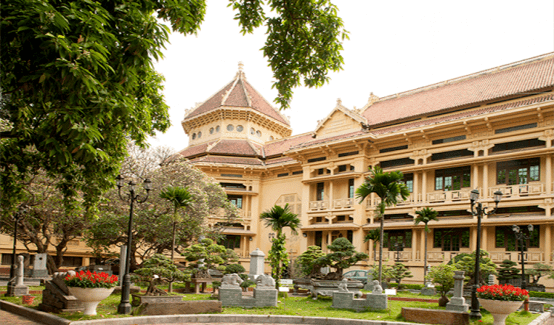
Source: Internet
-36 Old Streets Area: A rich experience of food and shopping.
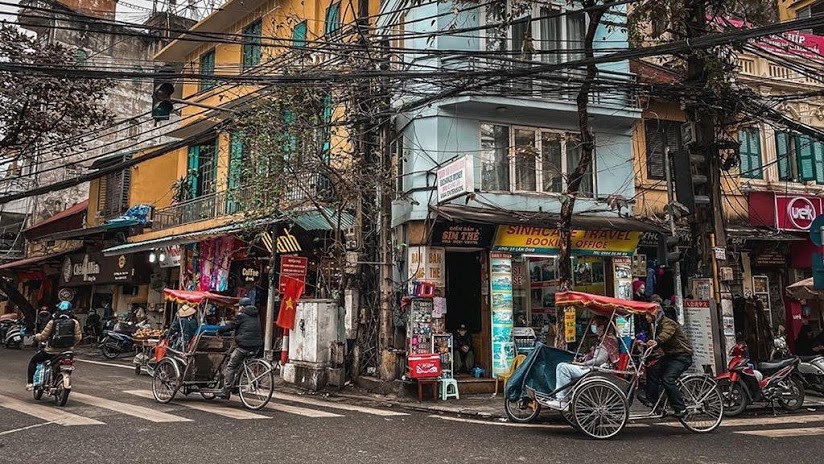
Source: Internet
These places are within walking distance or a short taxi/ride-hailing trip, making it convenient for tourists.
5. Recommended accommodation – Hôtel du Parc Hanoï
After a day of visiting the Hanoi Opera House and the central area, Hôtel du Parc Hanoï is the perfect place to stay:
-Convenient location: Close to Hoan Kiem Lake and famous streets, but far enough to provide a quiet retreat away from the bustle.
-Elegant architecture & decor: Reflects Hanoi’s historical essence, refined and luxurious.
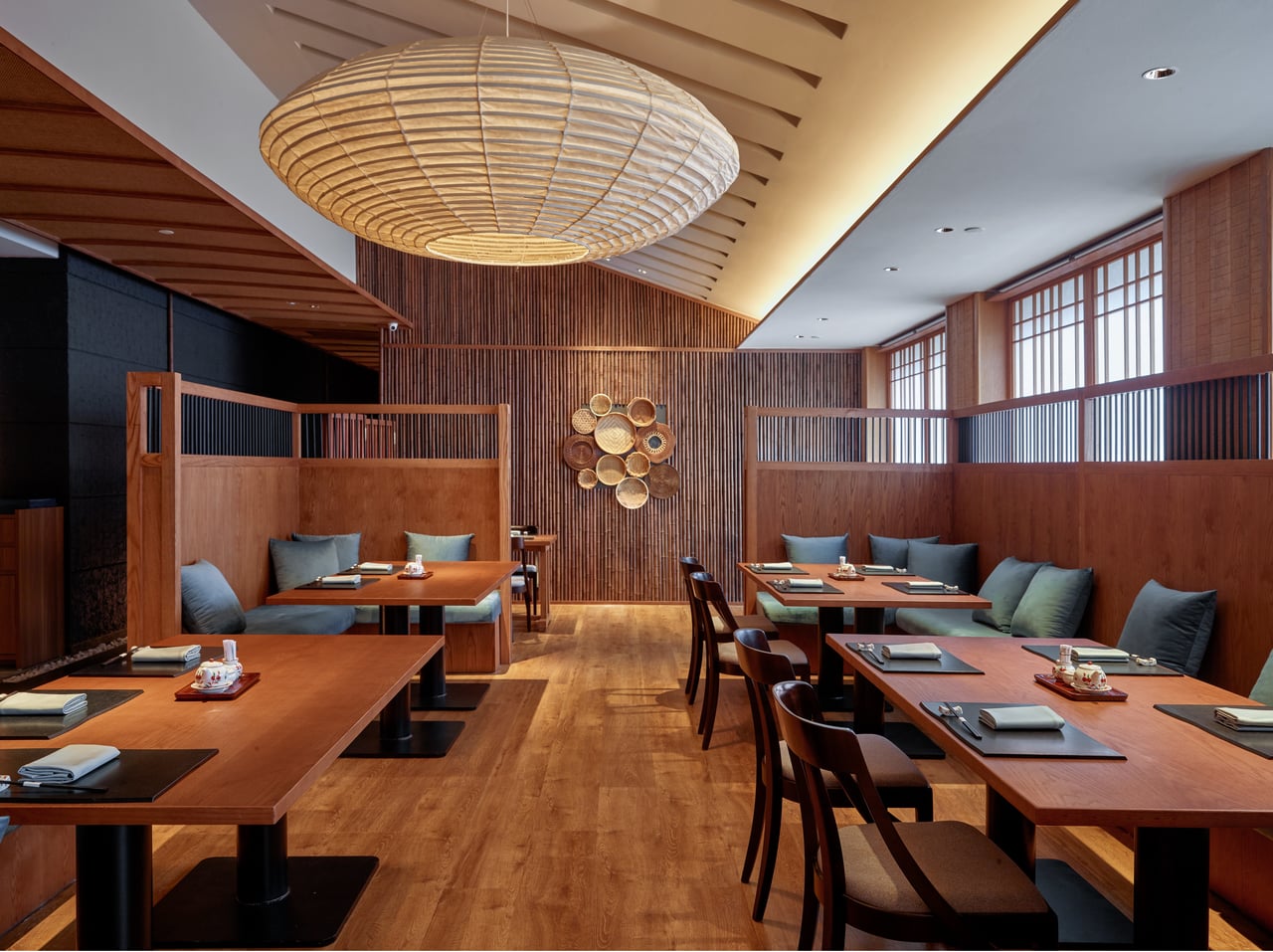
AZABU – Hôtel du Parc Hanoï
Hôtel du Parc Hanoï ensures a complete journey, enriching your exploration of the Hanoi Opera House and other cultural sites.
Explore more at: https://hotelduparchanoi.com/
The Hanoi Opera House is not only a beautiful architectural structure in the heart of the capital but also a symbol of artistic excellence and historical heritage. Whether you are a fan of architecture, music, or simply looking for a cultural landmark to visit, the Hanoi Opera House is a must-see destination when traveling to Hanoi, where every step is linked to the city’s century-old story.
